South Korea
South Korea is one of the easiest long-haul trips an American can take: no visa for tourist stays of up to 90 days, fast trains, safe cities and food you'll think about for months. This guide covers what you need to know before you book, and points you to the detailed pages for each part of the plan.
Start with the entry rules below, because they change. Then pick your season, sketch a route and book flights. Everything here was checked against official sources in October 2026.
South Korea quick facts
| Item | What to know |
|---|---|
| Capital | Seoul |
| Population | About 51.82 million (2025 census) |
| Currency | Korean won (₩, KRW). Notes: ₩1,000, ₩5,000, ₩10,000, ₩50,000 |
| Exchange rate used on this site | ₩1,330 = $1 (October 2026), so ₩10,000 is about $7.50 |
| Language | Korean, written in Hangeul |
| Time zone | Korea Standard Time (UTC+9), no daylight saving. 13 to 14 hours ahead of New York, 16 to 17 hours ahead of Los Angeles |
| Plug and voltage | 220 volts, 60 Hz, outlets with two round holes. Bring an adapter; check that chargers say 100 to 240V |
| US entry (as of October 2026) | Visa-free for tourism up to 90 days. K-ETA not required through December 31, 2026. Submit a free e-Arrival card within 3 days before landing |
| Emergency numbers | Police 112, fire and ambulance 119, travel helpline 1330 (+82-2-1330 from abroad) |
Do Americans need a visa for a trip to South Korea?
No. US citizens can visit visa-free for up to 90 days for tourism, business meetings, conferences or visiting family, and Korea doesn't allow extensions of that stay. That's the rule stated by the Korean consulates in the US.
The K-ETA (Korea Electronic Travel Authorization) is the piece that keeps changing. As of October 2026, the US is one of 22 countries and regions on a temporary exemption that runs from January 1 to December 31, 2026, so you don't need to apply for a trip that lands this year. The Korea Tourism Organization's visa and K-ETA page lists the US as exempt and confirms the December 31, 2026 end date. Nothing official had been published about 2027 when we checked.
Flying in January 2027 or later? Check the official K-ETA website before you book. If the exemption isn't extended, plan on applying for a K-ETA well before departure. Apply only through the official site, and don't rely on secondhand summaries of the rule.
If you aren't using a K-ETA, you'll fill in an arrival card. You can do it online on the official e-Arrival card site within 3 days before arrival, which saves filling in paper on the plane. Travelers holding a valid K-ETA are exempt from the arrival card.
Why go to South Korea
The short answer: a lot of variety packed into a small country. South Korea covers about 38,790 square miles (100,459 sq km), and fast KTX trains link Seoul with the south coast and east coast in a few hours.
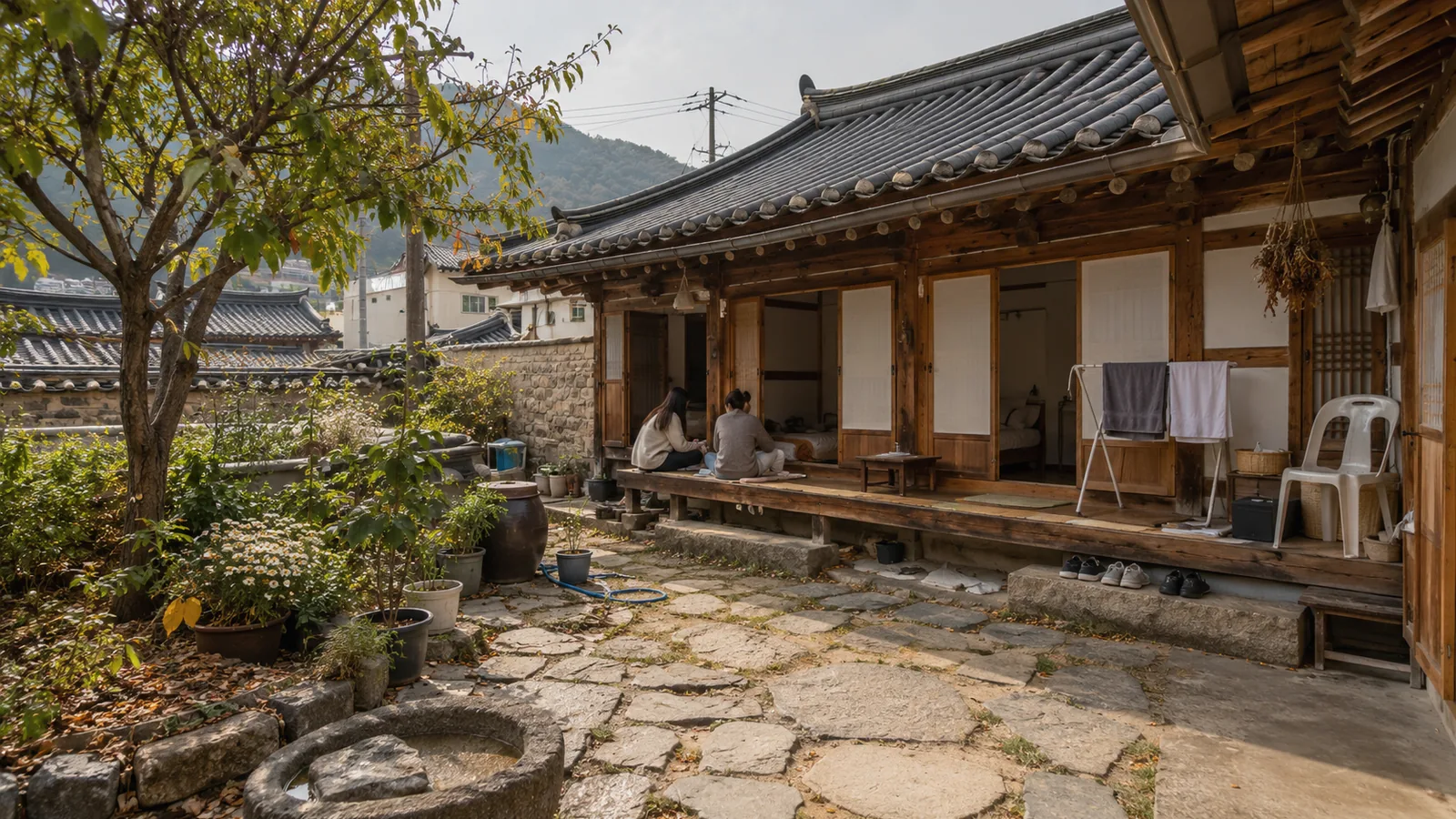
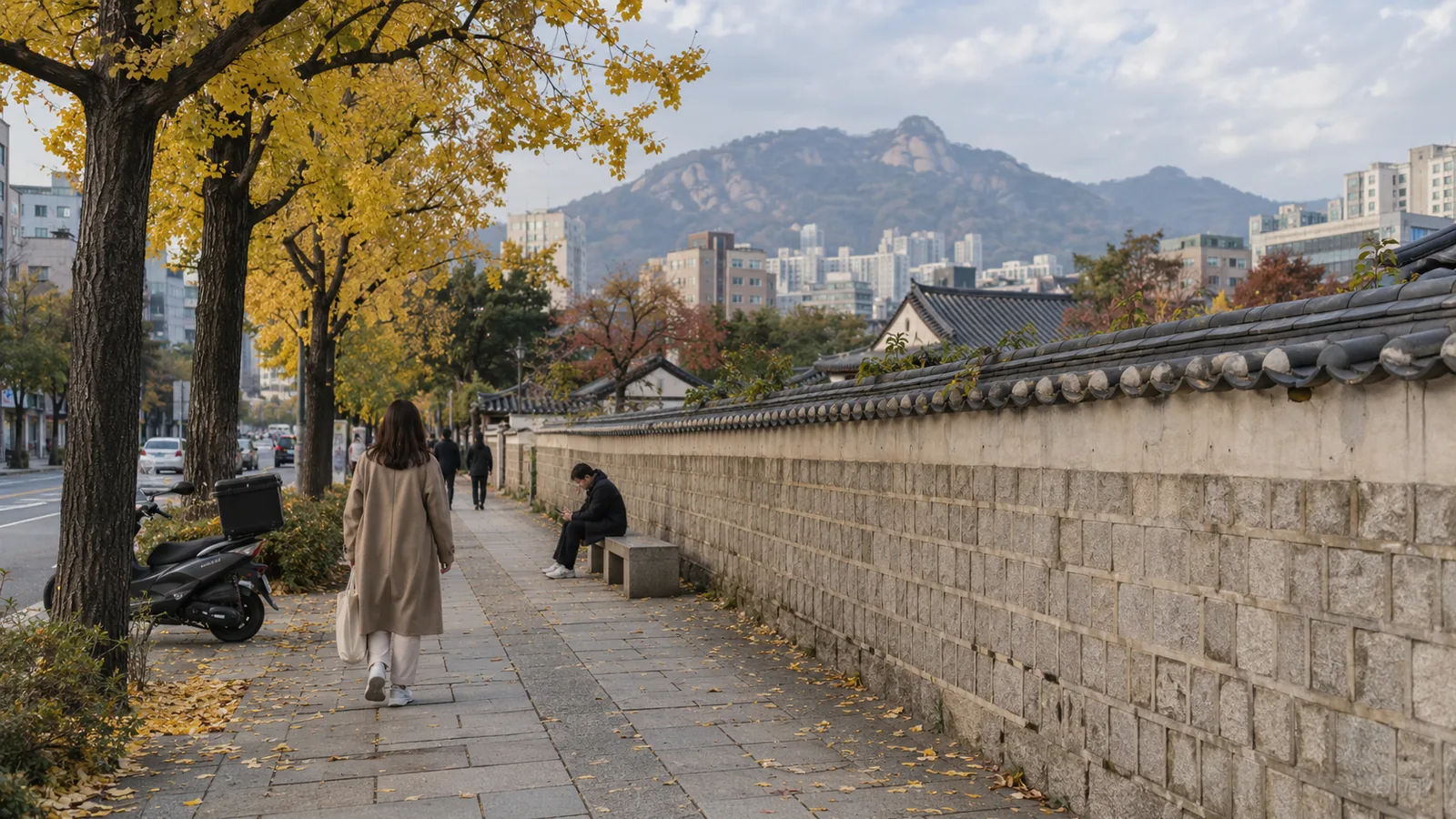
- History you can walk through. Korea has 17 UNESCO World Heritage properties, including Changdeokgung Palace in Seoul, Bulguksa Temple and Seokguram Grotto in Gyeongju, and Jeju's volcanic island and lava tubes.
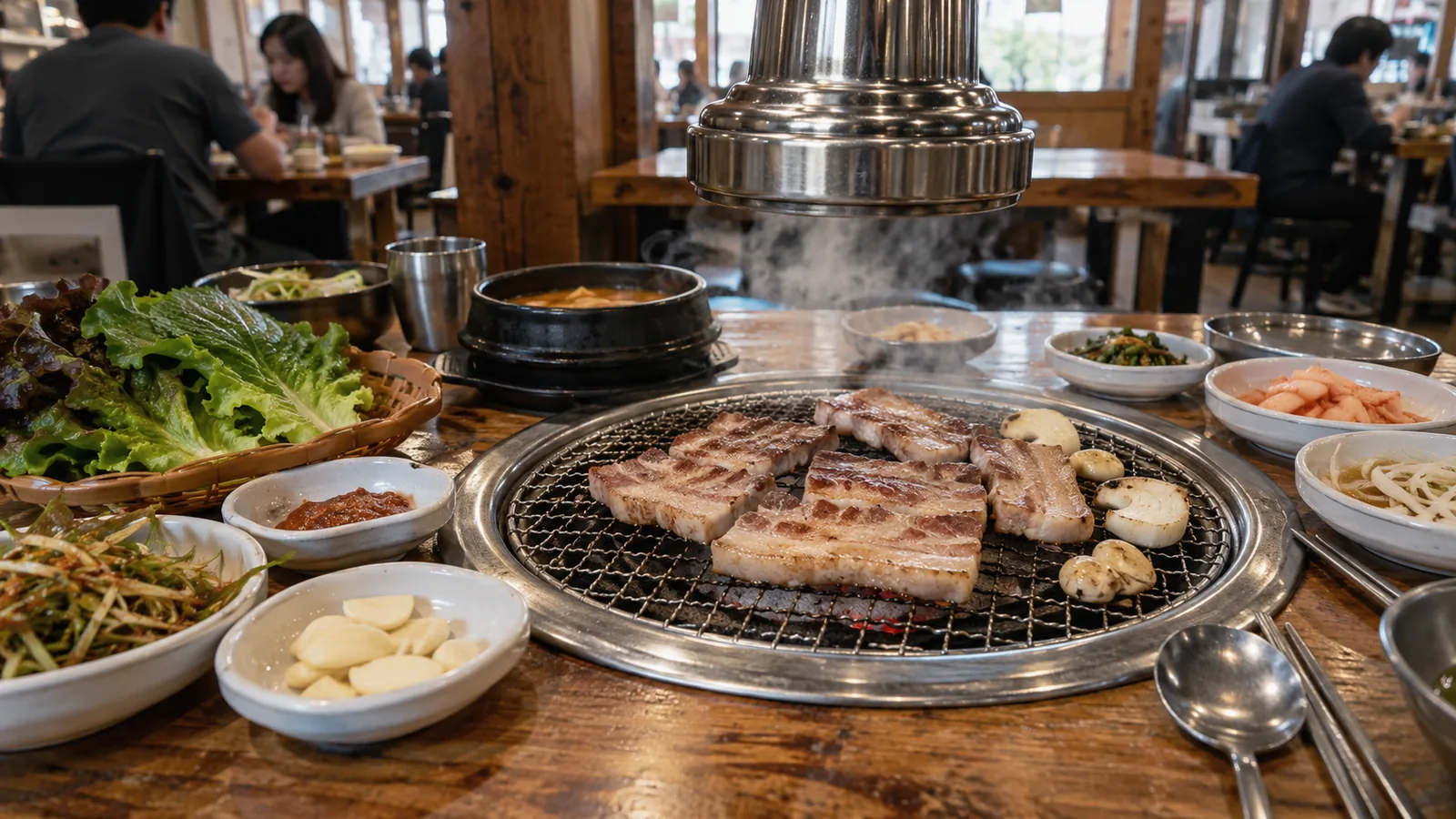
- Food. Barbecue, stews, street snacks and market stalls. Our Korean food guide covers what to order and what it costs.
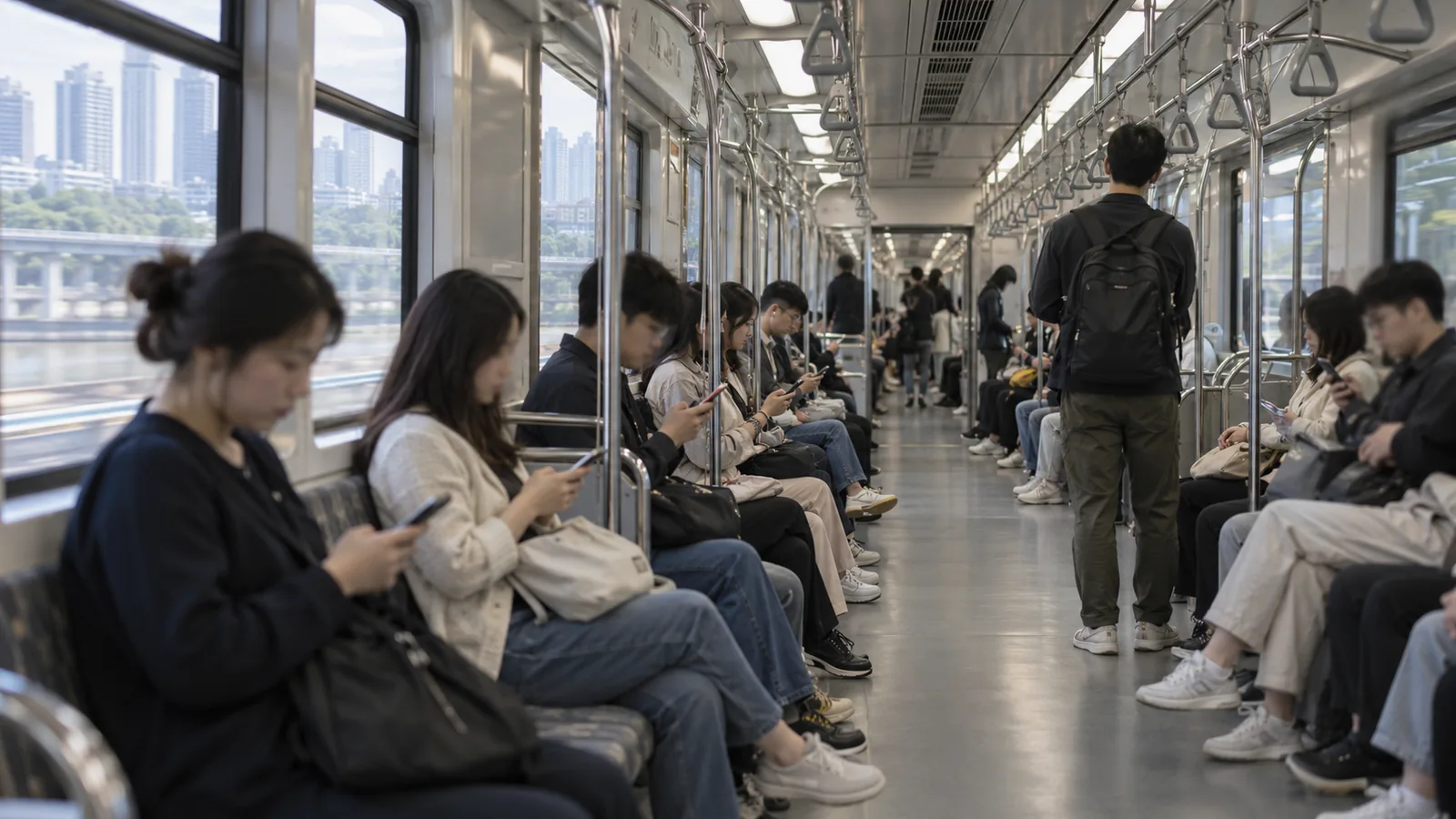
- Easy logistics. Korea runs high-speed KTX trains, city subways and express buses, and the national tourism office runs a free 1330 travel helpline in English and seven other languages. See getting around South Korea for the KTX, transit cards and apps.
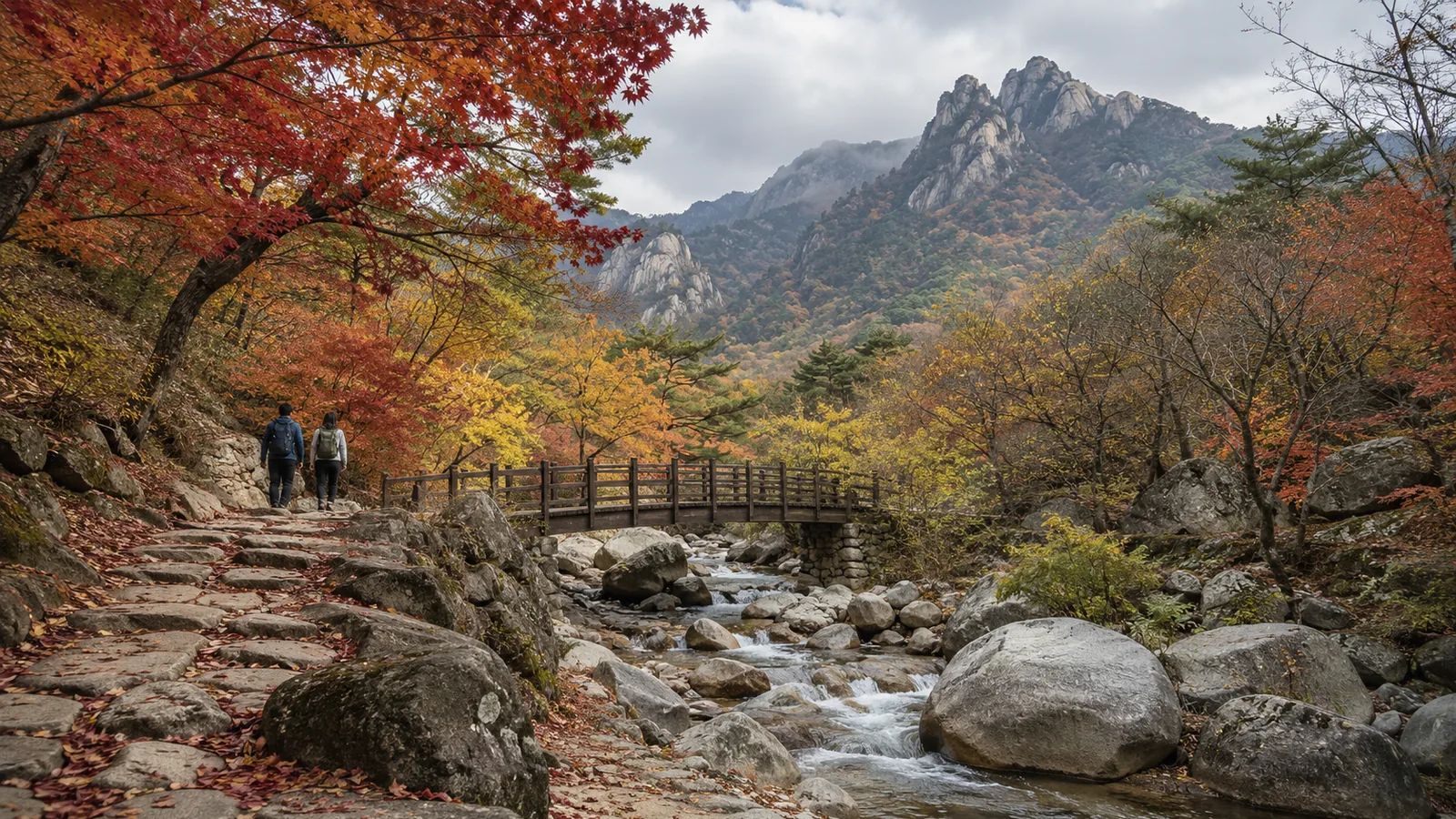
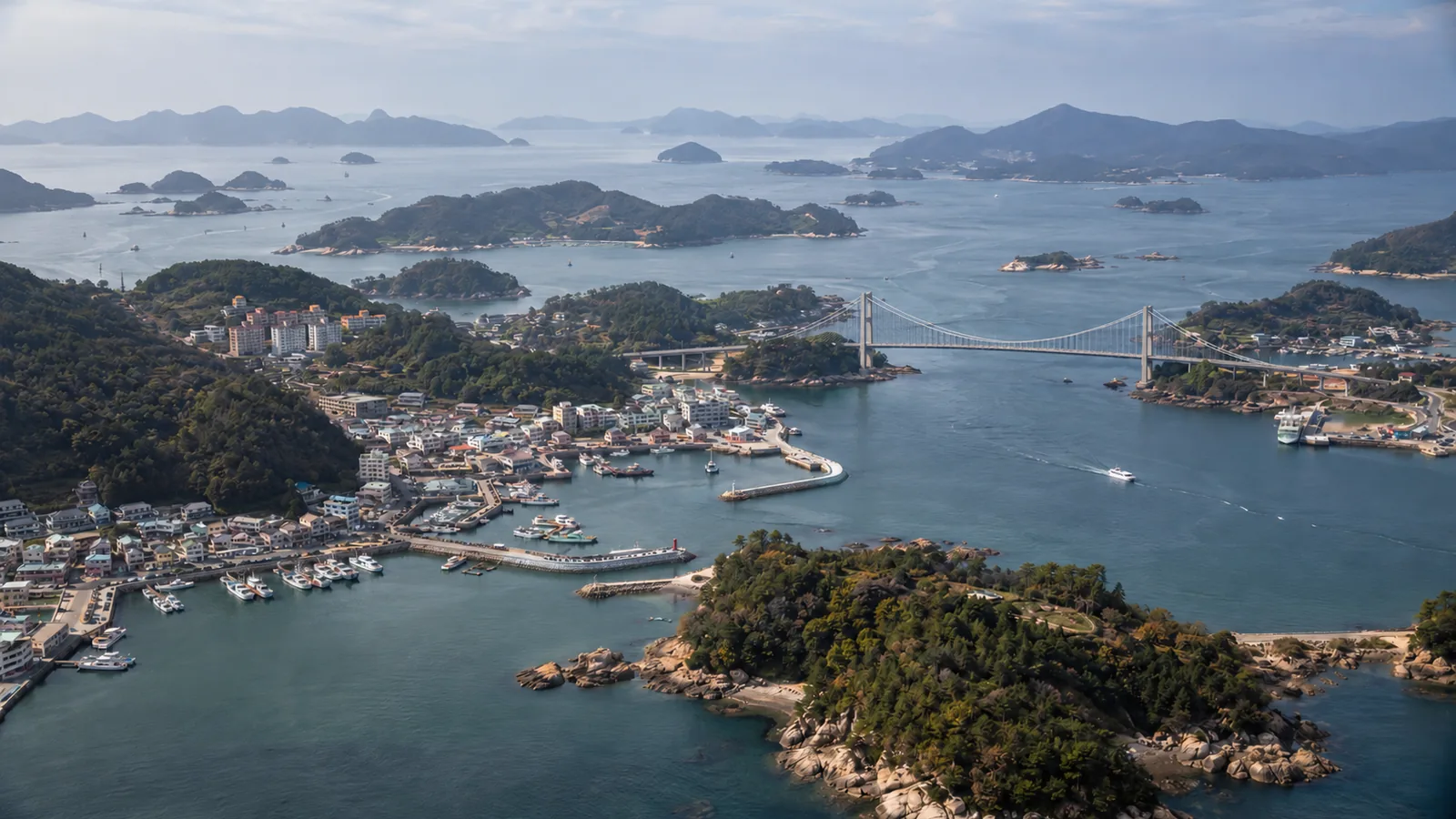
- Mountains and coast. About 75% of the peninsula is mountainous, and the south and west coasts are lined with islands.
The main regions at a glance
Most first trips stick to four places, and that's a sensible plan for 7 to 10 days.
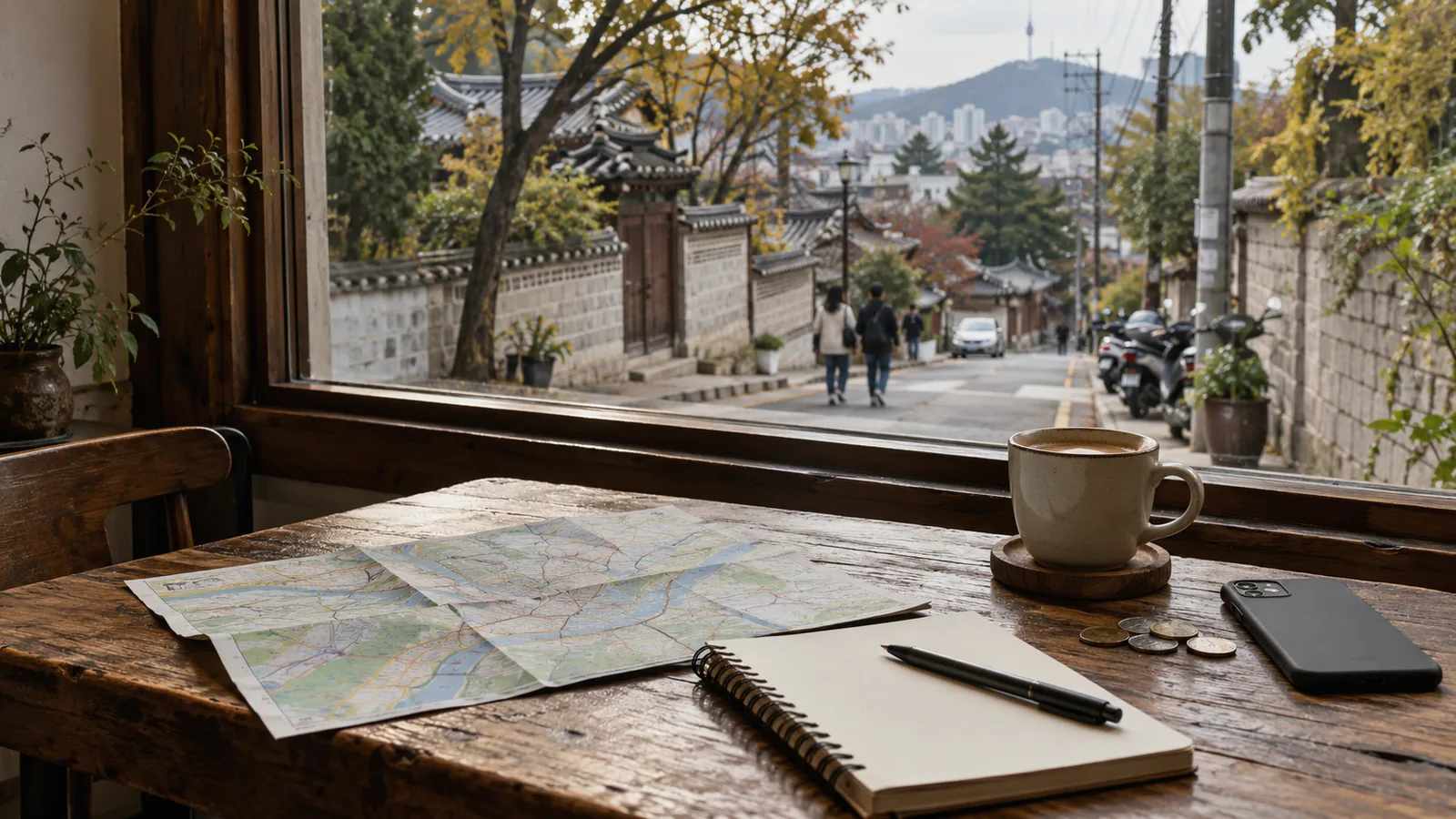
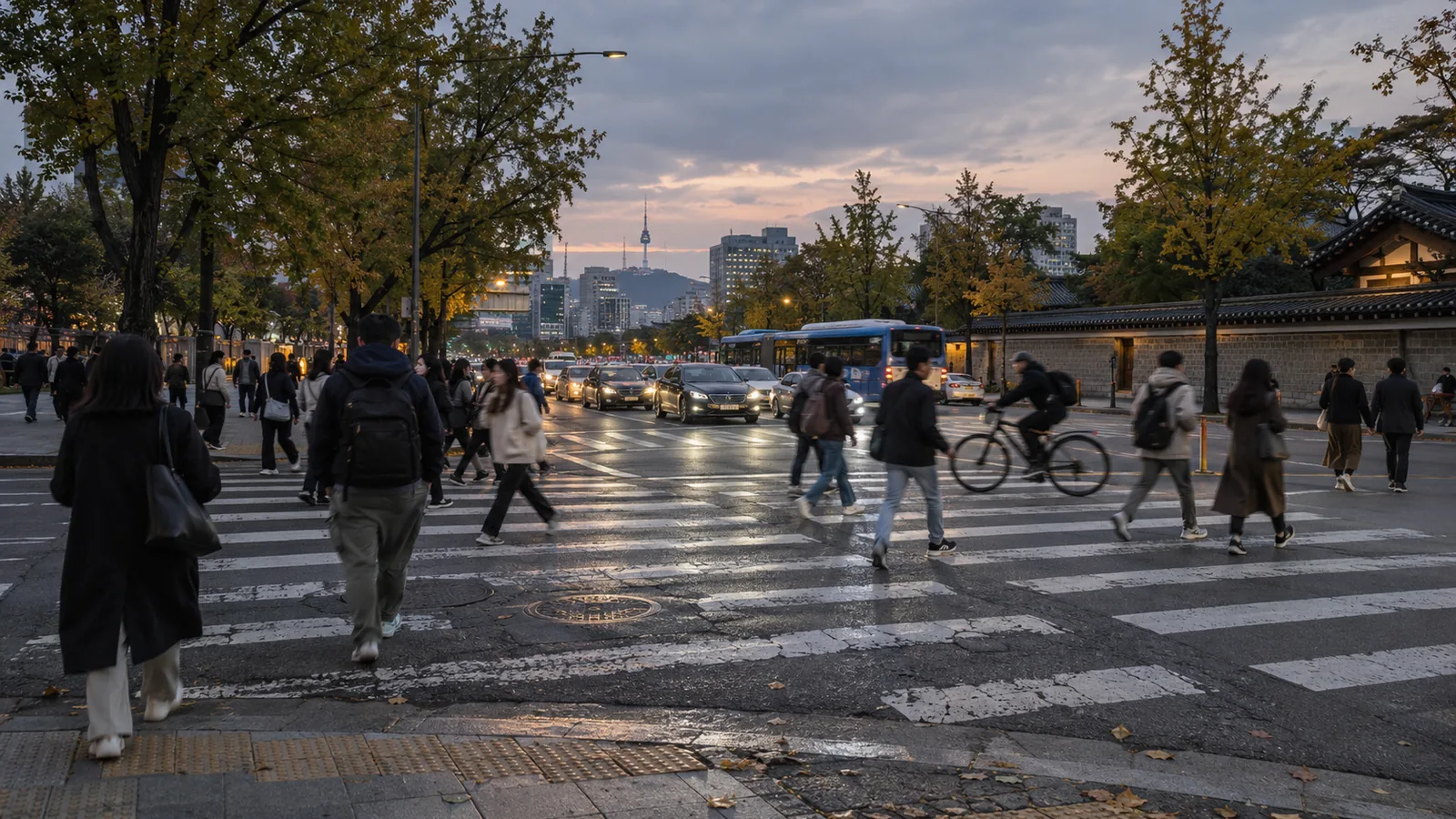
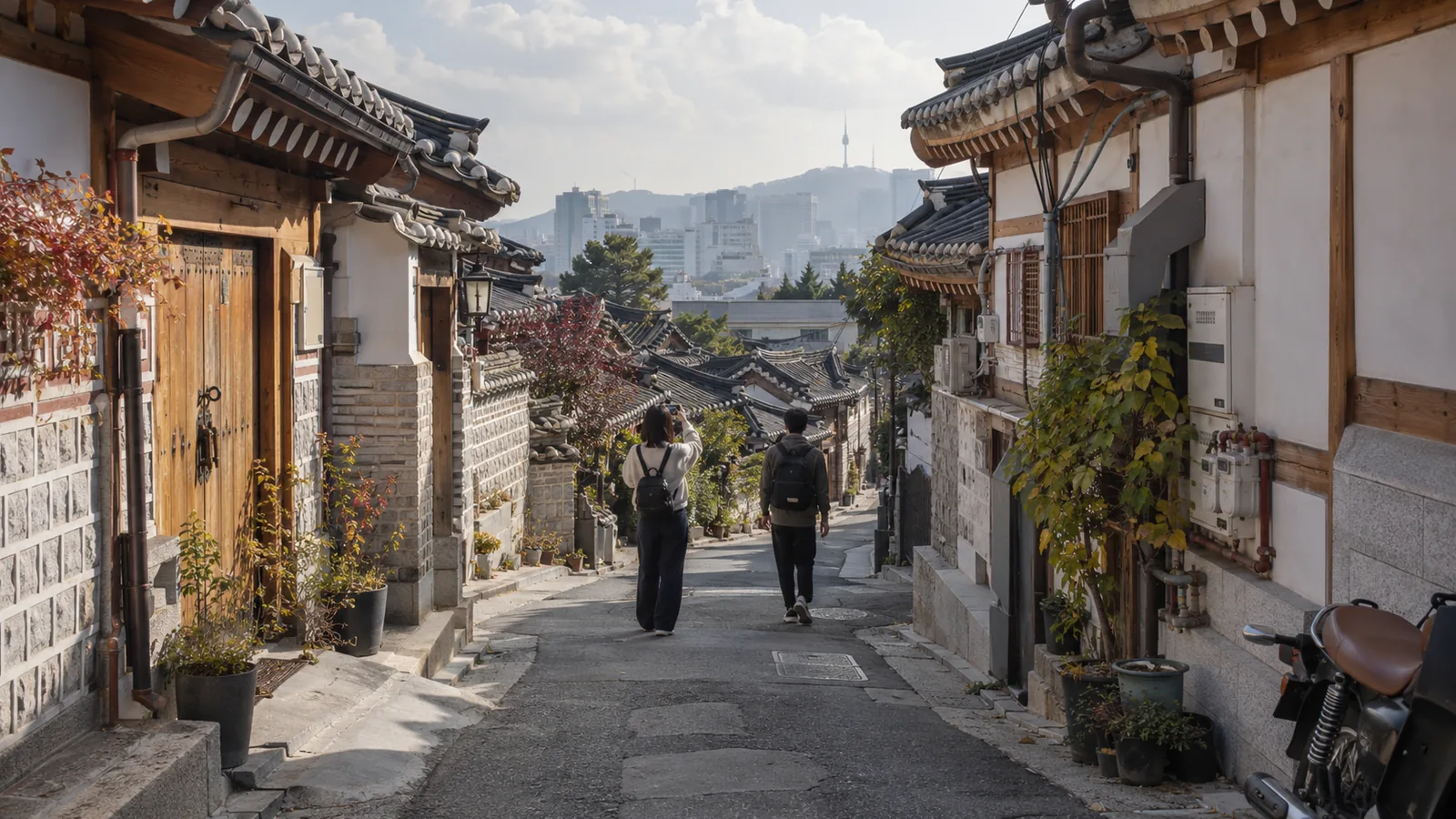
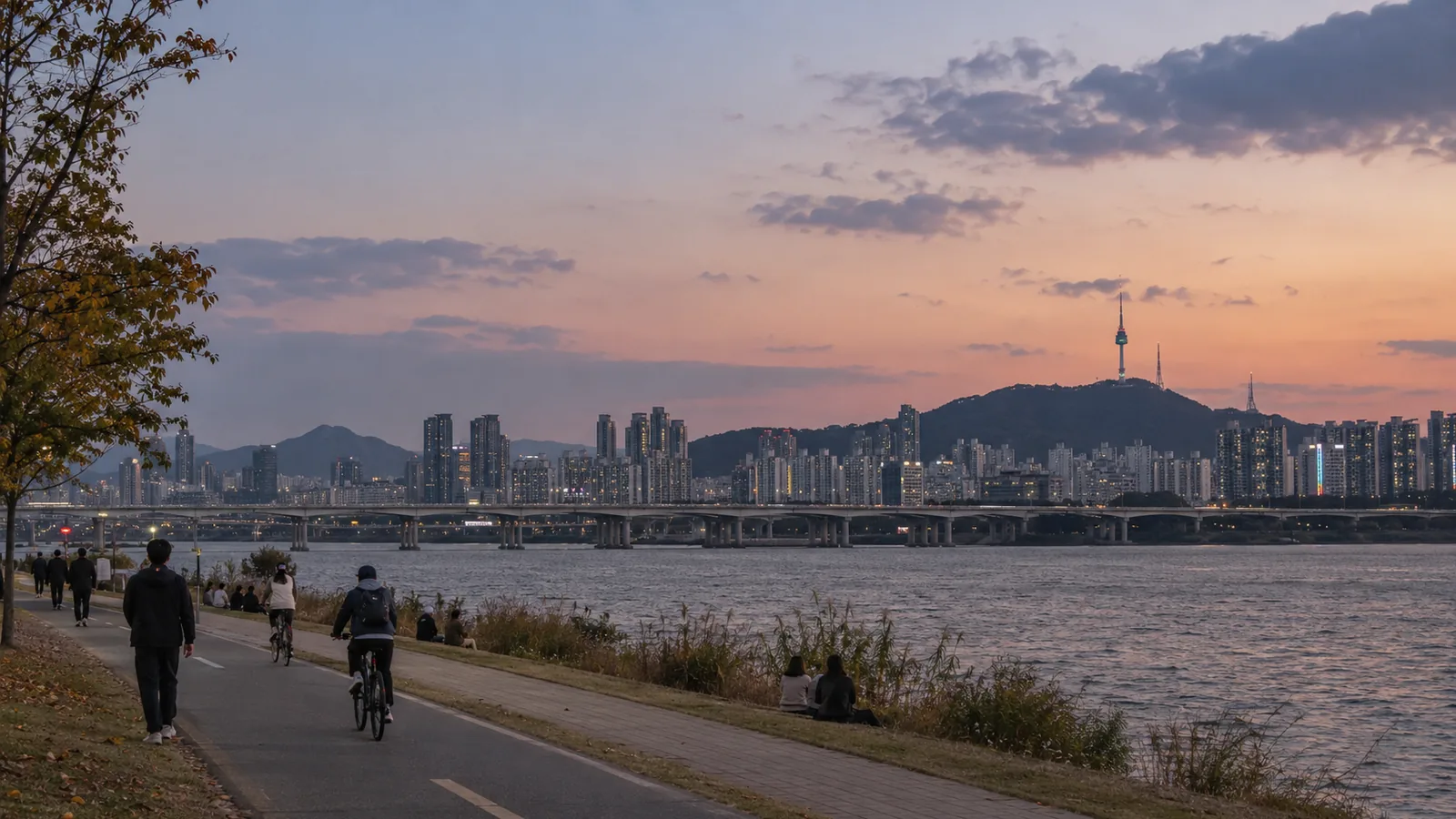
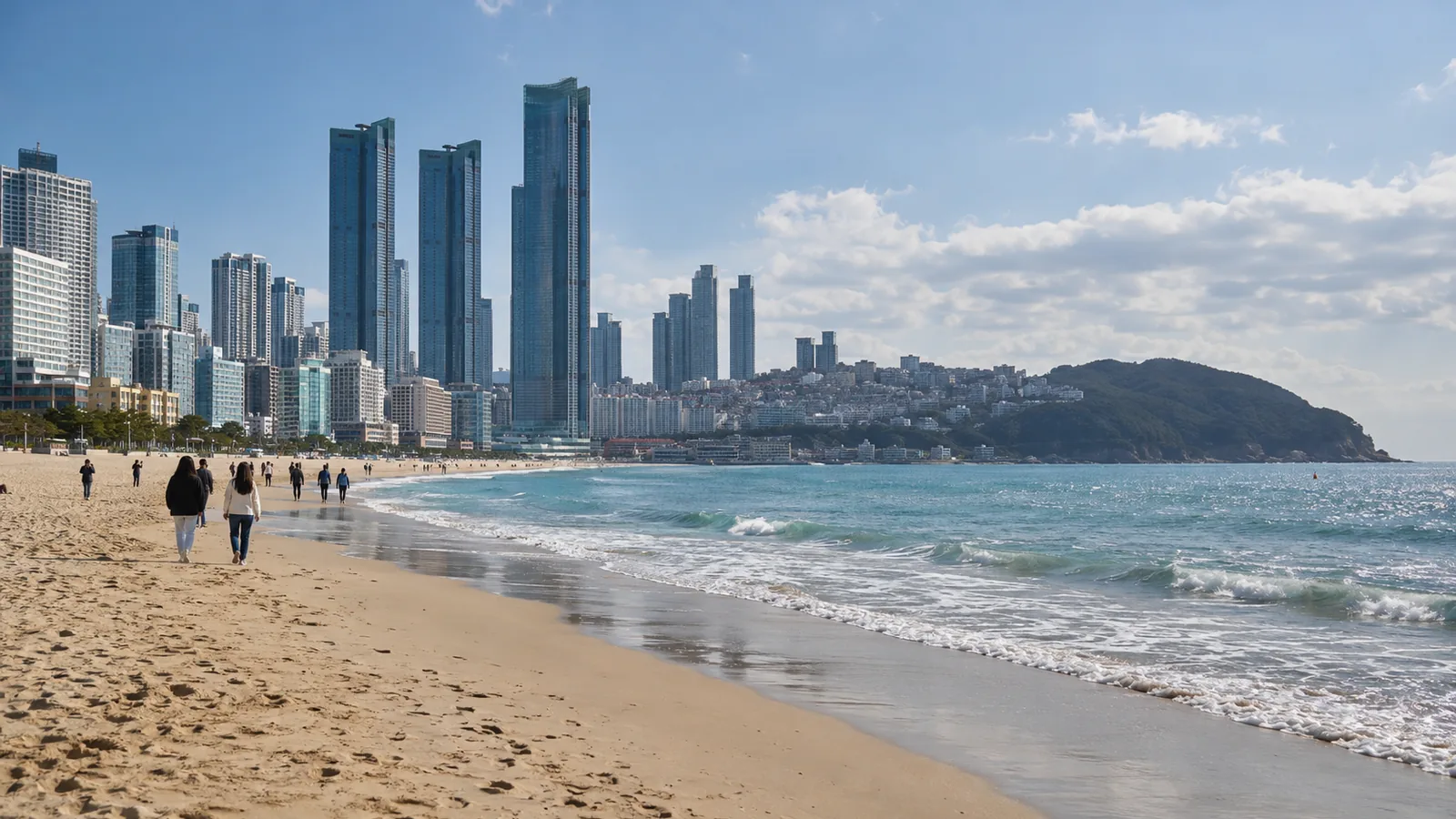
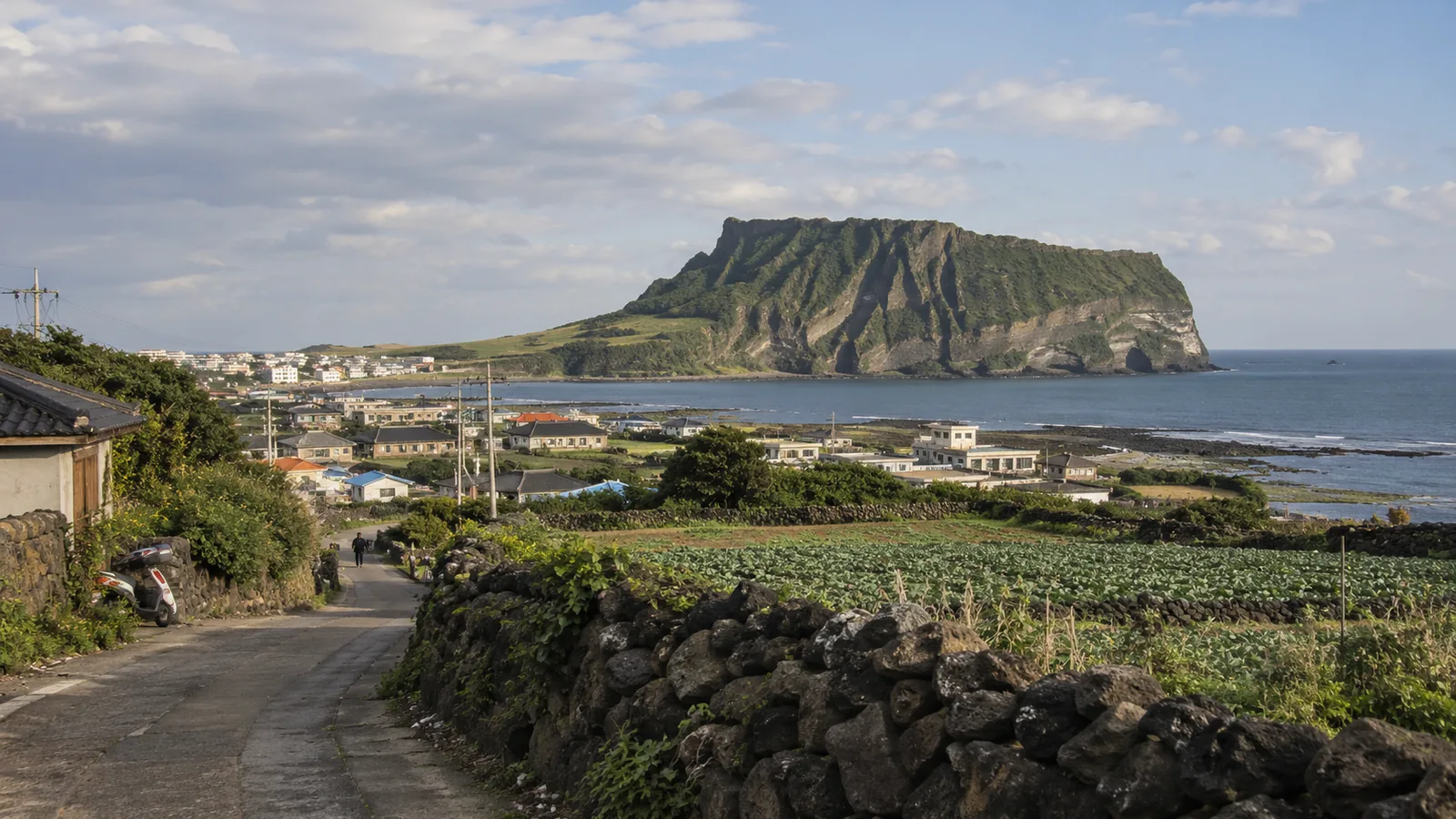
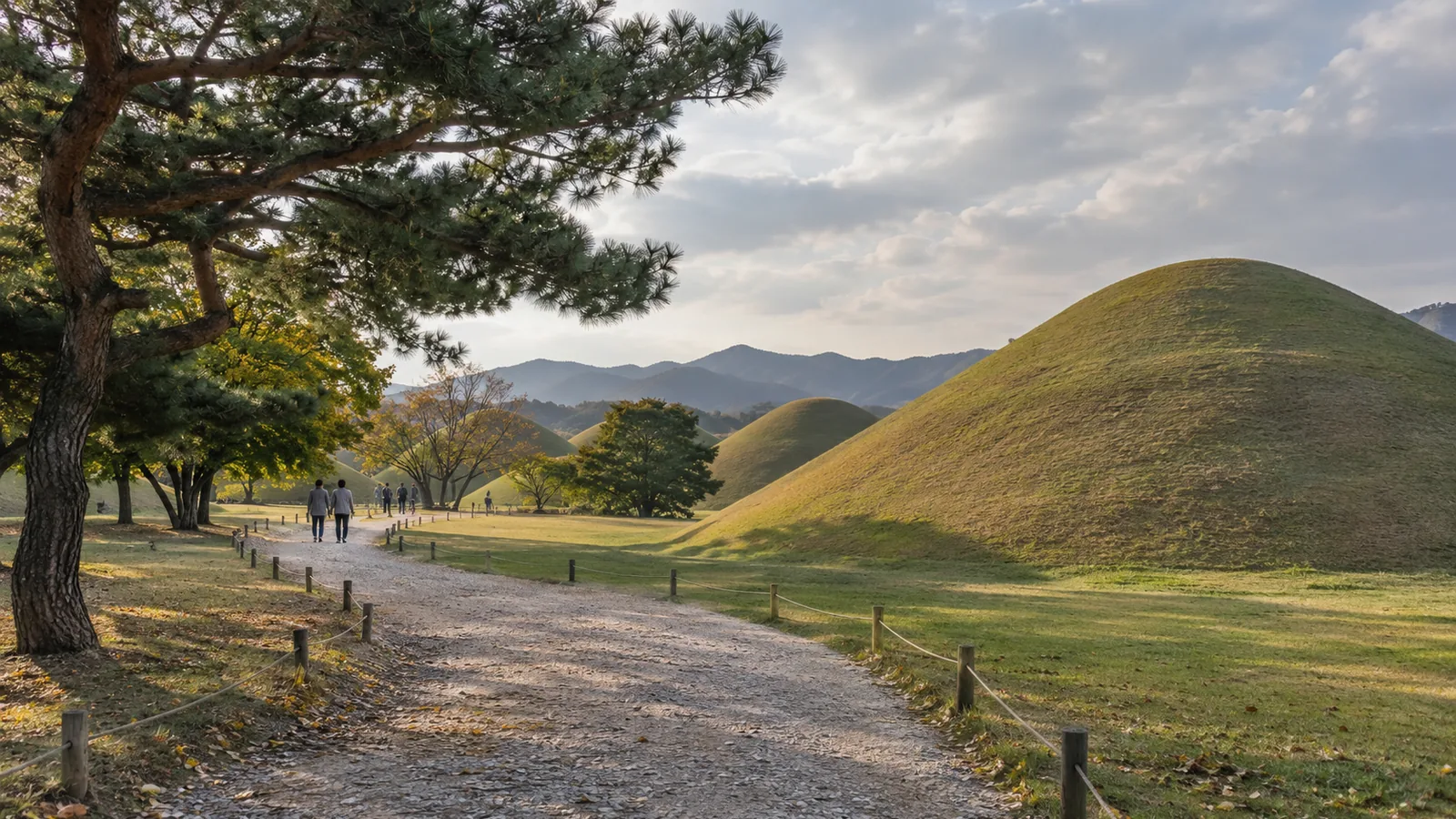
Seoul is where you'll land and probably spend the most nights: five royal palaces, N Seoul Tower, Hangang Park and neighborhoods like Hongdae and Seongsu-dong. Busan, on the southeast coast, is the beach and seafood city, with Haeundae Beach, Gamcheon Culture Village and Haedong Yonggungsa Temple. Jeju Island is a short flight south, home to Hallasan, Korea's highest mountain at 6,398 feet (1,950 m), and the Seongsan Ilchulbong tuff cone. Gyeongju was the capital of the Silla kingdom for close to 1,000 years and is packed with royal tombs and temples.
Want the country laid out visually first? Our South Korea map guide shows the provinces, big cities and how they connect. When you're ready to fill your days, the list of things to do in South Korea is grouped by region.
How to plan a South Korea vacation, step by step
- Confirm entry rules for your travel dates (above). This takes five minutes and matters most if you're going in 2027.
- Pick your season. Our page on the best time to visit South Korea has month-by-month weather and holiday dates to avoid.
- Book flights. Most US travelers land at Incheon (ICN). See flights to South Korea for which US cities fly nonstop.
- Sketch a route. Start with Seoul, then add Busan, Gyeongju or Jeju depending on time.
- Set a budget using the per-day costs on our South Korea trip cost page.
- Book places to stay once your route is fixed, especially around Korean holidays.
Getting from Incheon Airport into Seoul
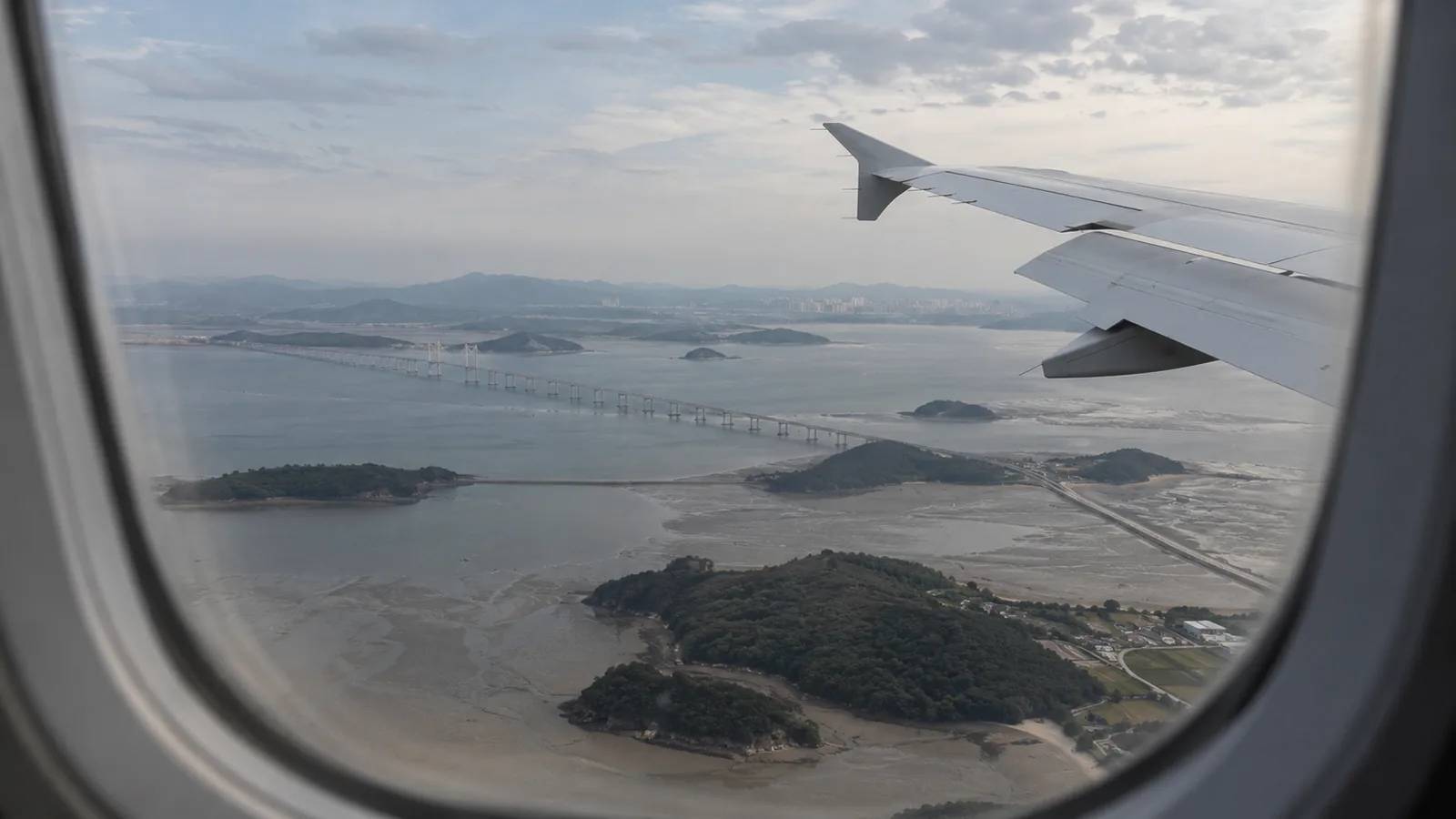
The Airport Railroad (AREX) is the simplest ride in. According to the Korea Tourism Organization, the express train takes about 43 minutes from Terminal 1 to Seoul Station and about 51 minutes from Terminal 2. The cheaper all-stop train takes about 59 and 66 minutes, and it connects with Seoul subway lines along the way.
Is a Korail Pass worth it?
Sometimes. The Korail Pass is sold only to foreign visitors and covers unlimited standard-class Korail trains, including KTX, on the days you choose. It does not cover subways or temporary tourist trains. It never covered the SRT; those trains from Suseo became KTX on September 1, 2026, so confirm coverage with Korail.
| Pass | Adult price | About in USD |
|---|---|---|
| 2 days | ₩131,000 | $98 |
| 3 days | ₩186,000 | $140 |
| 4 days | ₩234,000 | $176 |
| 5 days | ₩275,000 | $207 |
USD figures use ₩1,330 = $1 (October 2026). A pass pays off when you take several long KTX rides close together, for example Seoul to Busan and back with a stop in Gyeongju. For a single round trip, compare it with regular fares first. Since October 1, 2026, train seats can be booked up to two months before departure, and a pass allows up to two reserved seats per day.
Holidays that affect your trip
Two holidays move every year with the lunar calendar, and both fill trains and close many family-run shops. In 2026, Seollal (Lunar New Year) fell on February 16 to 18 and Chuseok (the harvest holiday) on September 24 to 26. If your dates overlap either one, book KTX tickets the moment they open, which since October 1, 2026 is two months before departure.
How to use this Korea travel guide
Every page on southkorea.guide is written for US travelers, with prices in won and dollars at a stated exchange rate and rules dated to when we checked. We name places only after confirming they're operating, and we link to the official source so you can double-check anything before you go. Prices and schedules change, so treat our numbers as a planning guide and confirm with the operator.
If you only read two more pages, read the flights page and the things-to-do list. Between them you'll have the bones of a trip.
Frequently asked questions
Do US citizens need a K-ETA for South Korea in 2026?
No. As of October 2026, US citizens are exempt from K-ETA through December 31, 2026. For trips in 2027, check k-eta.go.kr before booking.
How long can Americans stay in South Korea without a visa?
Up to 90 days for tourism, business meetings, conferences or family visits. Extensions of that visa-free stay are not permitted.
What plug do I need for South Korea?
Korea uses 220 volts at 60 Hz with outlets that take two round pins. Most phone and laptop chargers handle 100 to 240V, so you only need a plug adapter.
How many days do you need for a trip to South Korea?
Seven days covers Seoul plus Busan or Gyeongju at a steady pace. Ten to fourteen days lets you add Jeju Island without rushing.
What is the time difference between South Korea and the US?
Korea runs on UTC+9 with no daylight saving, so it is 13 to 14 hours ahead of New York and 16 to 17 hours ahead of Los Angeles depending on US daylight saving time.
Sources
- english.visitkorea.or.kr/svc/contents/contentsView.do?vcontsId=140769
- overseas.mofa.go.kr/us-en/brd/m_4500/view.do?seq=761106
- overseas.mofa.go.kr/us-honolulu-en/wpge/m_5539/contents.do
- www.mofa.go.kr/us-hagatna-en/brd/m_5521/view.do?seq=761673
- www.k-eta.go.kr/portal/apply/index.do
- www.e-arrivalcard.go.kr/portal/main/index.do?locale=EN
- english.visitkorea.or.kr/svc/contents/contentsView.do?vcontsId=140041&menuSn=375
- english.visitkorea.or.kr/svc/contents/contentsView.do?vcontsId=140043&menuSn=377
- english.visitkorea.or.kr/svc/contents/contentsView.do?vcontsId=140040&menuSn=374
- english.visitkorea.or.kr/svc/contents/contentsView.do?vcontsId=140042&menuSn=376
- english.visitkorea.or.kr/svc/contents/contentsView.do?vcontsId=140038
- english.visitkorea.or.kr/svc/contents/contentsView.do?vcontsId=145437
- www.korea.net/AboutKorea/OverviewofKorea
- whc.unesco.org/en/statesparties/kr
- whc.unesco.org/en/list/1264
- whc.unesco.org/en/list/976
- english.visitkorea.or.kr/svc/contents/contentsView.do?vcontsId=140654
- www.letskorail.com/ebizbf/EbizBfKrPassAbout.do
- english.visitkorea.or.kr/svc/contents/contentsView.do?vcontsId=140656